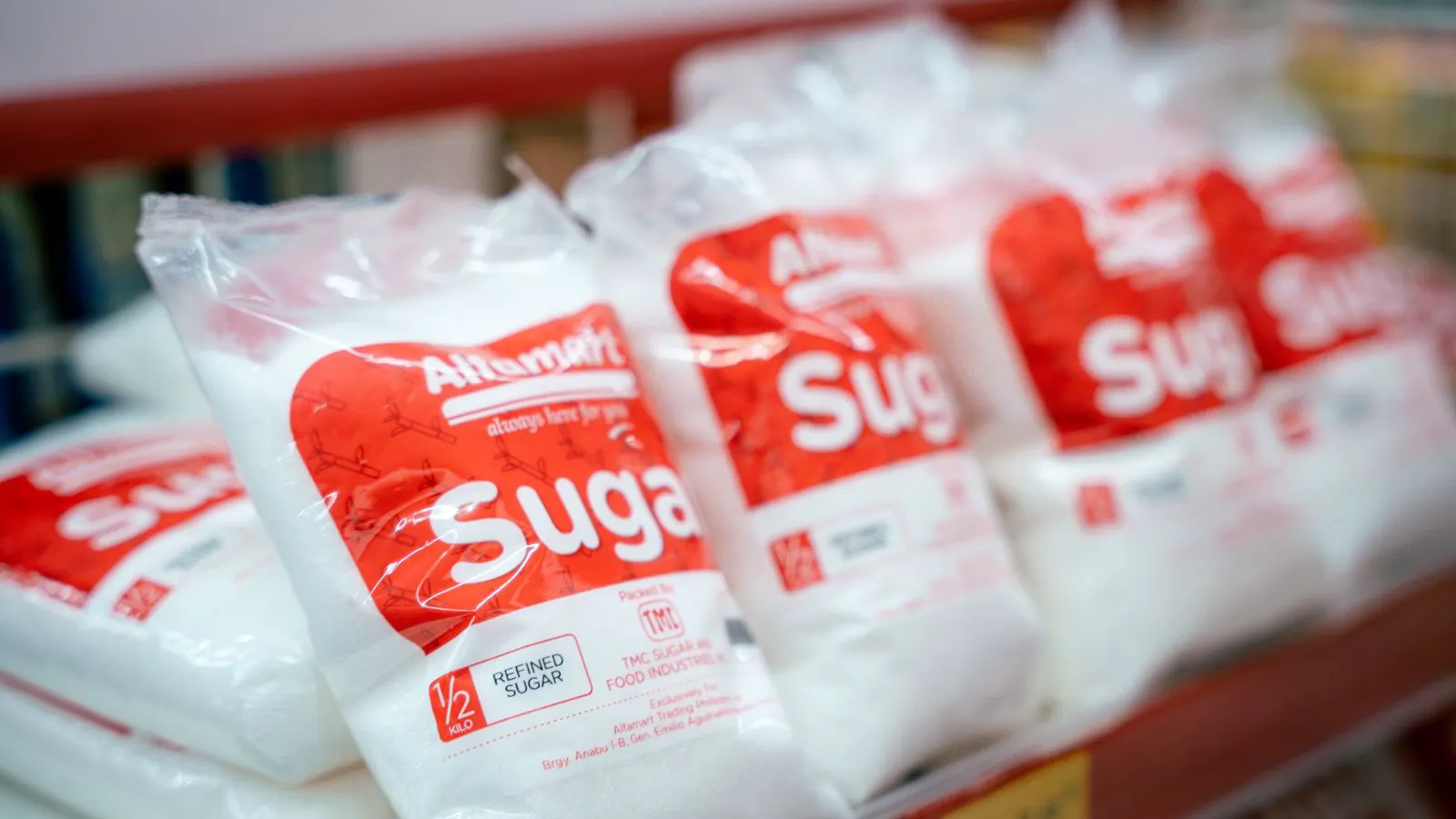
Oxygen Barrier Trends for Extended Shelf Life Products
Emerging barrier materials and coatings are reducing oxygen transmission rates, extending shelf life for sensitive foods and chemicals. Buyers should plan for stricter testing and material compatibility.
- Oxygen transmission expectations are shifting toward lower values for long-duration products.
- Buyers must verify material compatibility with new barrier layers.
- Testing protocols should account for temperature and humidity fluctuations.
- Cost structures are changing as high-performance barrier films become more accessible.
- Regulatory documentation requires updated oxygen transmission data for label claims.
How Barrier Technology Is Changing Oxygen Transmission Expectations
Oxygen barrier performance no longer relies on a single material layer. Modern flexible packaging systems combine polymers, coatings, and laminates to meet lower transmission targets. This shift impacts product launches where shelf life extension is a core requirement.
Buyers previously accepted higher oxygen transmission rates for products with moderate storage conditions. That tolerance is narrowing. New formulations and active barrier materials allow manufacturers to protect sensitive items for extended periods. The result is a change in baseline expectations for what a barrier system must achieve.
The practical effect is a tighter window between design specifications and actual performance. A material that performed adequately five years ago may no longer meet current shelf life requirements for premium or long-dated products.
What Drives the Push for Lower Oxygen Transmission Rates
Sensitivity of the product content drives the shift. Oils, fresh foods, spices, and pharmaceuticals degrade faster when exposed to oxygen. As consumers and retailers demand longer storage without preservatives or refrigeration, packaging must do more.
Retailers also push for longer date codes. Products that stay on shelves for extended periods need packaging that performs over time. This creates pressure on flexible packaging suppliers to deliver consistent barrier performance across varied storage conditions.
Another driver is reduction of waste. Products that spoil before sale create financial loss. Extending shelf life through better barrier properties reduces discard rates and improves inventory management.
Five Shifts Buyers Should Plan For
Buyers preparing future launches should anticipate these changes in barrier performance expectations.
-
Lower transmission thresholds for standard products. The acceptable oxygen transmission rate for many product categories is decreasing. Specifications that once worked for a two-year shelf life may now need to support three or four years with the same material system.
-
Greater emphasis on barrier layer consistency. Small variations in coating thickness or laminate alignment can cause performance gaps. Buyers should expect tighter manufacturing tolerances and more frequent in-line testing.
-
Increased use of hybrid barrier systems. Single-layer barrier films are less common for high-performance applications. Multi-layer laminates and coated substrates dominate, creating new considerations for recyclability and material compatibility.
-
Stricter environmental testing requirements. Shelf life claims depend on performance under realistic storage conditions. Buyers should plan for testing across temperature ranges and humidity levels that match actual distribution and retail environments.
-
Documentation changes for label claims. Extending shelf life through barrier properties requires supporting data. Regulatory and retail documentation may need updated oxygen transmission measurements and stability test results.
How to Prepare Specifications for Extended Shelf Life Products
Preparing a specification for a product with extended shelf life requires more than selecting a barrier material. The specification must define the entire system performance.
Start with the product. Identify the oxygen sensitivity of the contents. A product with high lipid content has different degradation pathways than a dry powder. The oxygen transmission rate target should align with the degradation rate of the sensitive components.
Next, define the storage and distribution environment. Products stored in warm retail environments or transported in summer heat will experience higher barrier stress. The specification should include temperature and humidity ranges that the barrier system must withstand without performance degradation.
Material compatibility is another critical element. Barrier coatings and films must not react with the product. Migration testing should confirm that barrier layers do not leach into the product or absorb flavors. This is especially relevant for food and beverage applications.
Finally, include performance verification steps. The specification should require oxygen transmission rate testing at defined conditions. It should also include accelerated aging tests that simulate extended storage periods. These steps provide confidence that the barrier system will perform as expected in the market.
Barrier Material Options and Their Trade-Offs
Different barrier materials offer different performance and cost profiles. Choosing the right material depends on the product requirements, shelf life target, and budget.
The table below summarizes common barrier material options and their typical trade-offs.
| Barrier Material | Oxygen Transmission Performance | Cost Factor | Recyclability Consideration |
|---|---|---|---|
| EVOH laminate | Very low | Moderate | Limited, requires separation |
| Metalized film | Very low | Moderate to high | Difficult to recycle |
| Aluminized PET | Low | Moderate | Difficult to recycle |
| Polyolefin barrier | Moderate | Low | High recyclability |
| Active barrier coating | Low to moderate | Moderate | Depends on coating chemistry |
| Multi-layer polymer | Low | Moderate to high | Variable by structure |
Each option involves trade-offs. EVOH provides excellent barrier performance but is sensitive to moisture. Metalized films offer strong oxygen blockage but create recycling challenges. Polyolefin barriers are recyclable but offer lower performance. Active barrier coatings can absorb oxygen from the package headspace, reducing the need for aggressive oxygen transmission rates.
Testing and Verification for Oxygen Barrier Claims
Shelf life claims based on barrier performance must be supported by testing. Without reliable data, claims are difficult to defend.
Oxygen transmission rate testing is the standard method. The test measures the amount of oxygen that passes through a barrier material under controlled conditions. Results are typically reported in units that indicate transmission rate. Lower values indicate better barrier performance.
Accelerated aging tests simulate extended storage conditions. These tests expose the packaging system to elevated temperatures and humidity for a defined period. The goal is to predict how the barrier will perform over the intended shelf life.
Stability testing is also relevant. The barrier system should maintain performance when exposed to the product. Some coatings degrade or change properties when in contact with oils, acids, or other product components. Stability testing identifies these issues before production.
Documentation of test results is critical. Buyers should retain records of oxygen transmission measurements, aging test data, and stability results. These documents support shelf life claims and help resolve disputes if product performance falls short of expectations.
Common Mistakes in Barrier Specification
Buyers sometimes make errors that undermine barrier performance. Recognizing these mistakes helps avoid costly rework.
The first mistake is specifying barrier performance without defining test conditions. Oxygen transmission rates vary with temperature and humidity. A specification that does not include test conditions produces ambiguous results. The specification should state the exact conditions under which transmission will be measured.
The second mistake is ignoring material compatibility. A barrier coating that performs well in the lab may fail when exposed to the product. Compatibility testing should be part of the development process, not an afterthought.
The third mistake is assuming that a single barrier layer is sufficient. Many high-performance applications require multi-layer systems. A specification that relies on a single material may not achieve the required transmission rate.
The fourth mistake is underestimating the impact of seal integrity. Even a perfect barrier layer will fail if the seal is compromised. Seals should be designed and tested as part of the barrier system. A small leak in the seal can expose the product to oxygen and negate the barrier performance.
How to Structure Your Barrier Specification Document
A clear specification document helps align all parties on barrier performance expectations. The document should be structured to cover product requirements, material selection, testing, and documentation.
Begin with the product description. Include the type of product, its oxygen sensitivity, and the target shelf life. This context guides material selection and testing.
Next, define the barrier performance target. State the oxygen transmission rate target and the test conditions under which it will be measured. Include the temperature and humidity range for the test.
Specify the barrier material system. List the materials in the laminate or coating structure. Include thickness requirements and any material compatibility constraints.
Define the testing requirements. State which tests will be performed, the frequency of testing, and the acceptance criteria. Include oxygen transmission rate testing, accelerated aging, and stability testing.
Finally, outline the documentation requirements. Specify what records must be maintained and who is responsible for them. This ensures that all parties have access to the data needed to support shelf life claims.
Preparing for Future Product Launches
Preparing for future launches means understanding how barrier expectations will continue to shift. The direction is clear. Products with extended shelf life will require better barrier performance, more rigorous testing, and stronger documentation.
Buyers who plan ahead will be better positioned to meet these requirements. Early involvement of packaging engineers and barrier specialists helps identify material options and testing needs before development begins.
The key is to treat barrier performance as a system requirement, not a single material property. The entire packaging structure, from substrate to seal, contributes to shelf life. A holistic approach to barrier specification reduces risk and supports reliable shelf life claims.
Frequently asked questions
What is the main benefit of improved oxygen barrier performance?
Improved oxygen barrier performance extends shelf life by slowing product degradation. It also reduces waste and supports longer date codes for retail.
How do I know if my current packaging meets new oxygen barrier expectations?
Test the current system under the relevant storage and distribution conditions. Compare the oxygen transmission rate to the target for the intended shelf life. If the rate is too high, the system may not meet current expectations.
Are all barrier materials recyclable?
No. Some barrier materials, such as metalized films and certain laminates, are difficult to recycle. Polyolefin barriers are more recyclable but offer lower performance. The choice depends on the product and sustainability goals.
How does temperature affect oxygen barrier performance?
Higher temperatures increase oxygen transmission through barrier materials. Testing should include the maximum temperature the product will experience during storage and distribution to ensure reliable shelf life.
What is the role of active barrier coatings in shelf life extension?
Active barrier coatings absorb oxygen from the package headspace, reducing the oxygen concentration around the product. This can extend shelf life without requiring extremely low oxygen transmission rates from the barrier layer alone.