Films & Laminates
Troubleshooting: Seal Failures on Laminate Films
Seal failures in laminate films usually stem from material mismatch, heat exposure, or pressure imbalance. This guide identifies common symptoms like delamination or
Practical guidance for flexible packaging buyers and engineers.
Flexible packaging decisions involve material selection, print quality, barrier performance, and supplier reliability. This site covers the technical and commercial points buyers need to evaluate pouches, bags, films, and laminates before committing to a supplier.
The content is organized by function and process. Each section explains what to specify, how to verify performance, and which documents to request during qualification. It serves as a working reference for procurement, engineering, and quality teams.
Start with the stage of the sourcing process you are in.
Explore pouch and bag types, closure methods, and structural options for flexible packaging applications.
Understand common film materials, laminate structures, and barrier layer selection for packaging needs.
Learn how oxygen, moisture, and light barrier performance affect product shelf life and packaging integrity.
Review printing techniques and converting processes used to produce finished flexible packaging products.
Review key food contact material requirements, labeling rules, and compliance considerations for flexible packaging.
Get practical guidance on pricing factors, minimum order quantities, and budget planning for flexible packaging.
Use this guide to evaluate flexible packaging suppliers, verify capabilities, and make informed sourcing decisions.
Seal failures in laminate films usually stem from material mismatch, heat exposure, or pressure imbalance. This guide identifies common symptoms like delamination or
Sourcing EVOH vs PVDC barrier film requires balancing cost against oxygen barrier performance and lead time. PVDC generally offers lower material cost but higher

Failed material declarations for food pouches usually stem from incomplete chemical lists, missing regulatory status, or mismatched data sheets. This guide shows how to
Pouch film thickness selection depends on sealing temperature, adhesive strength, and mechanical load. Use the seal width optimization method to match laminate layer
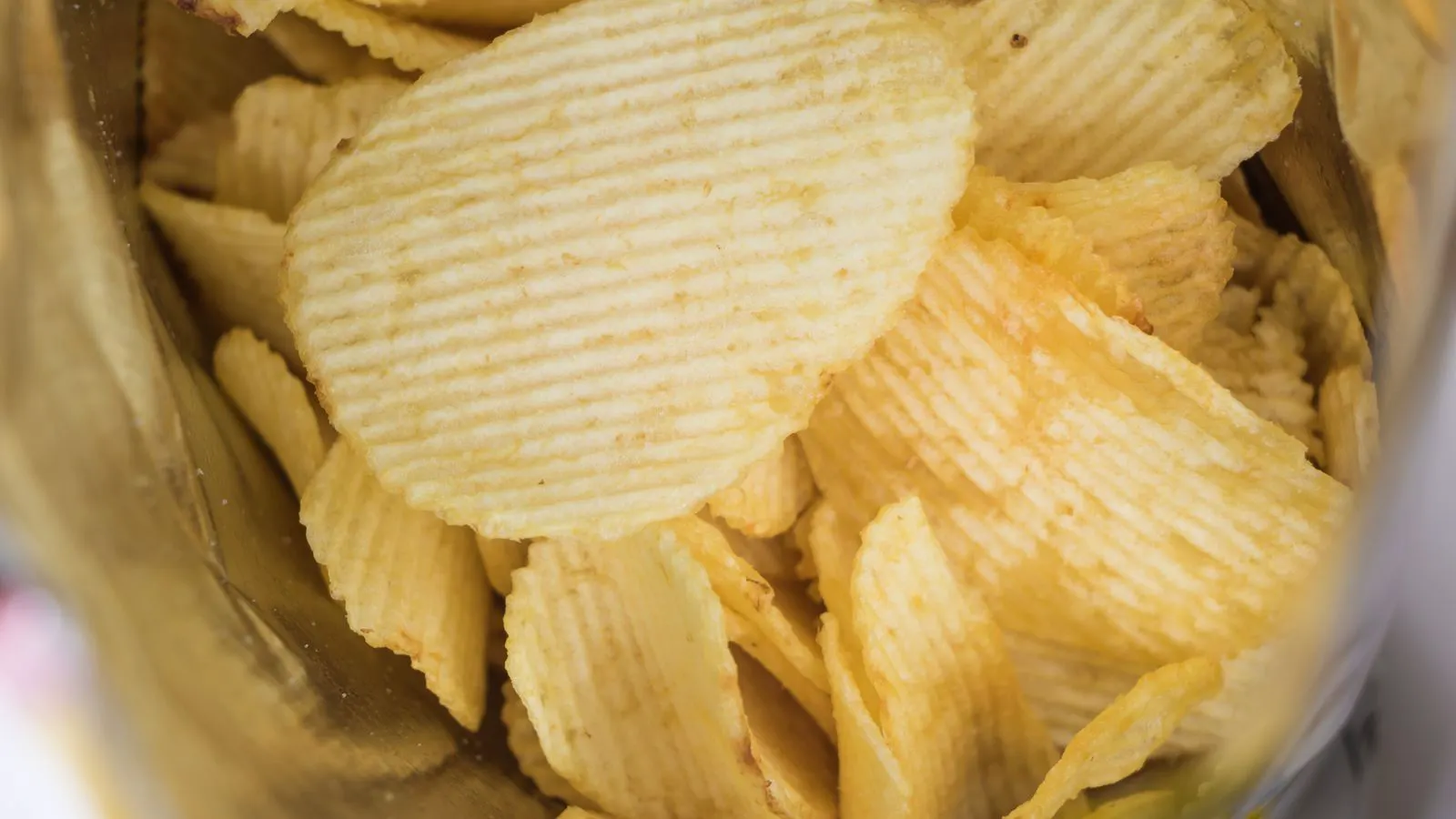
This checklist helps buyers verify oxygen barrier and moisture barrier performance in pouches. It covers film specifications, laminate structure, seal integrity, and

Polyethylene and polypropylene films both meet food contact requirements, but their chemical behavior, migration limits, and processing effects create distinct

Reusable flexible pouches are moving from niche pilots to mainstream retail stock. Buyers should prepare for standardization, refill logistics, and durability checks.
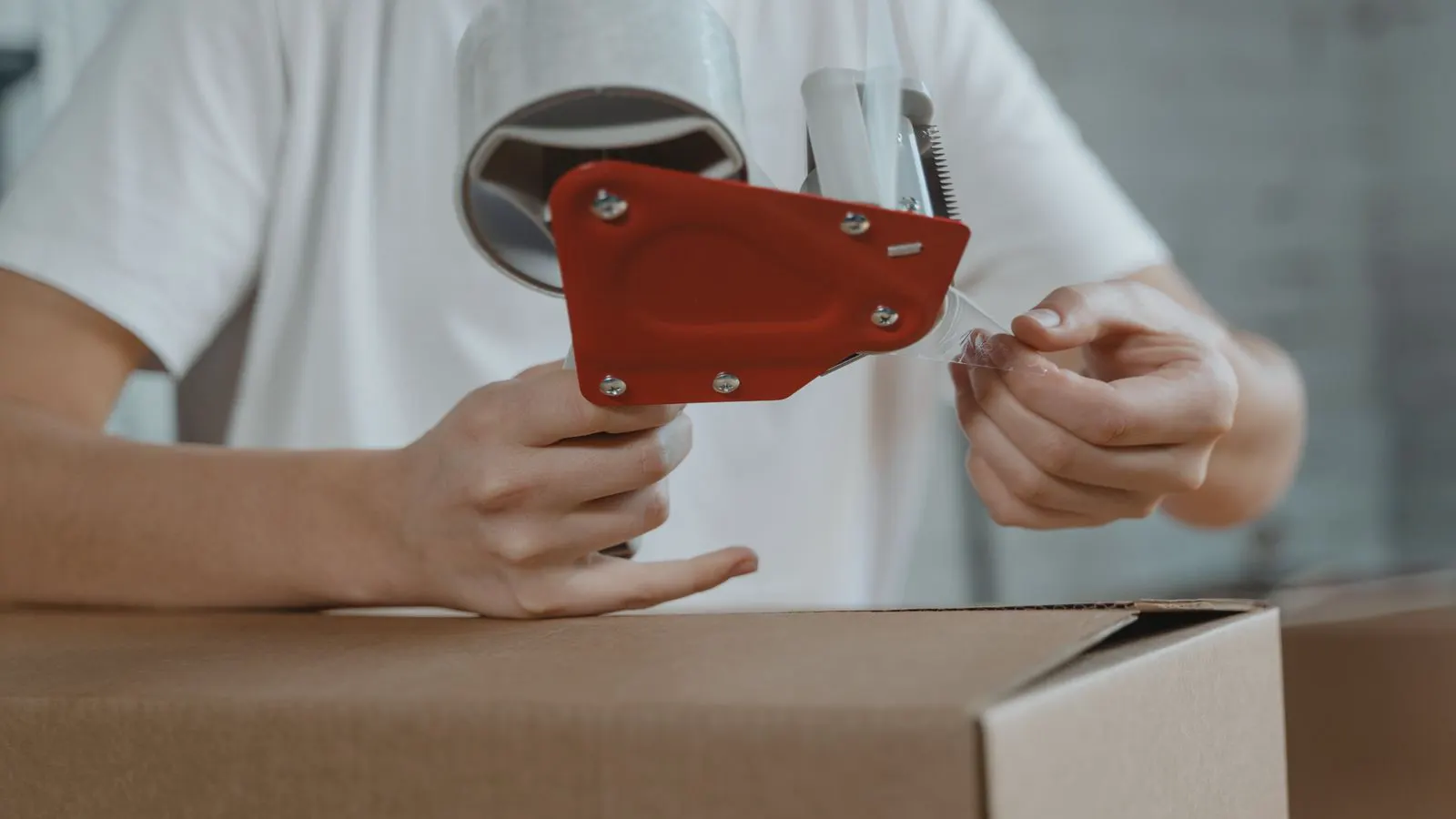
Sealing failures in flexible packaging usually stem from contamination, incorrect heat or pressure, or material mismatch. This guide lists common seal defects, their
Purchasing professionals need a structured approach to source compliant packaging. This guide outlines criteria for verifying food contact material certifications
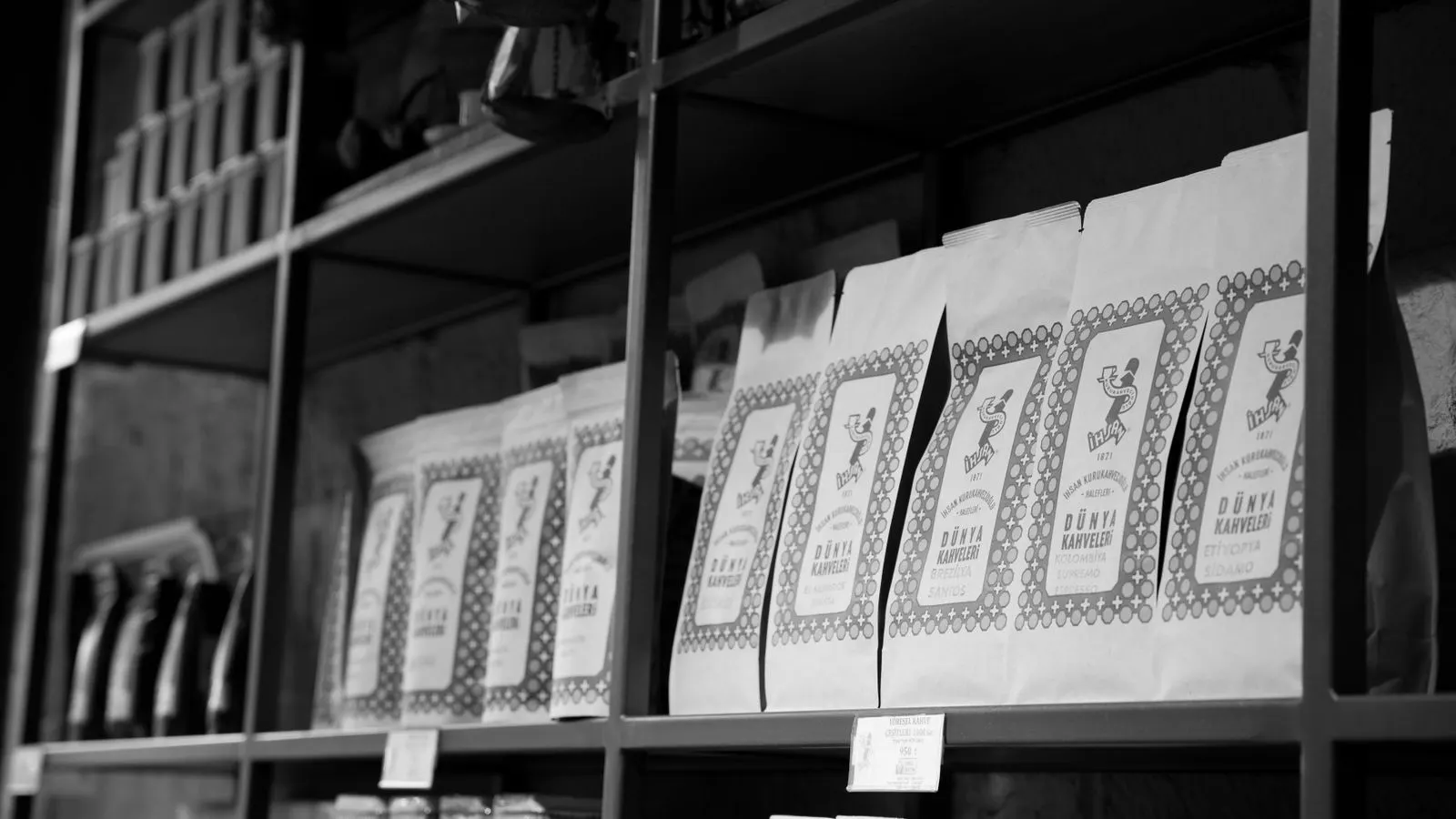
Sourcing coffee stand up pouches requires verifying barrier integrity, valve compatibility, and nitrogen flushing capability. Whole bean coffee demands specific film
Mono-material structures use a single polymer type, which simplifies recycling. Multi-layer laminates combine different polymers to achieve specific barrier, print, or mechanical properties.
Barrier selection depends on the product type, required oxygen or moisture transmission levels, and expected storage conditions. Test samples against defined shelf life targets.
Common methods include gravure, flexo, digital, and offset. Each has different requirements for ink, resolution, and substrate preparation.
Request material data sheets, laminated structure specifications, food contact compliance documentation, and test reports for barrier and mechanical properties.
Minimum order quantities vary by structure and print complexity. Lower MOQs often increase per-unit cost and may limit material or design options.
Standard checks include thickness, adhesion, seal strength, color, print registration, and barrier performance. Specify acceptance criteria in the purchase order.