Outlook: Reusable Flexible Pouches in Retail Channels
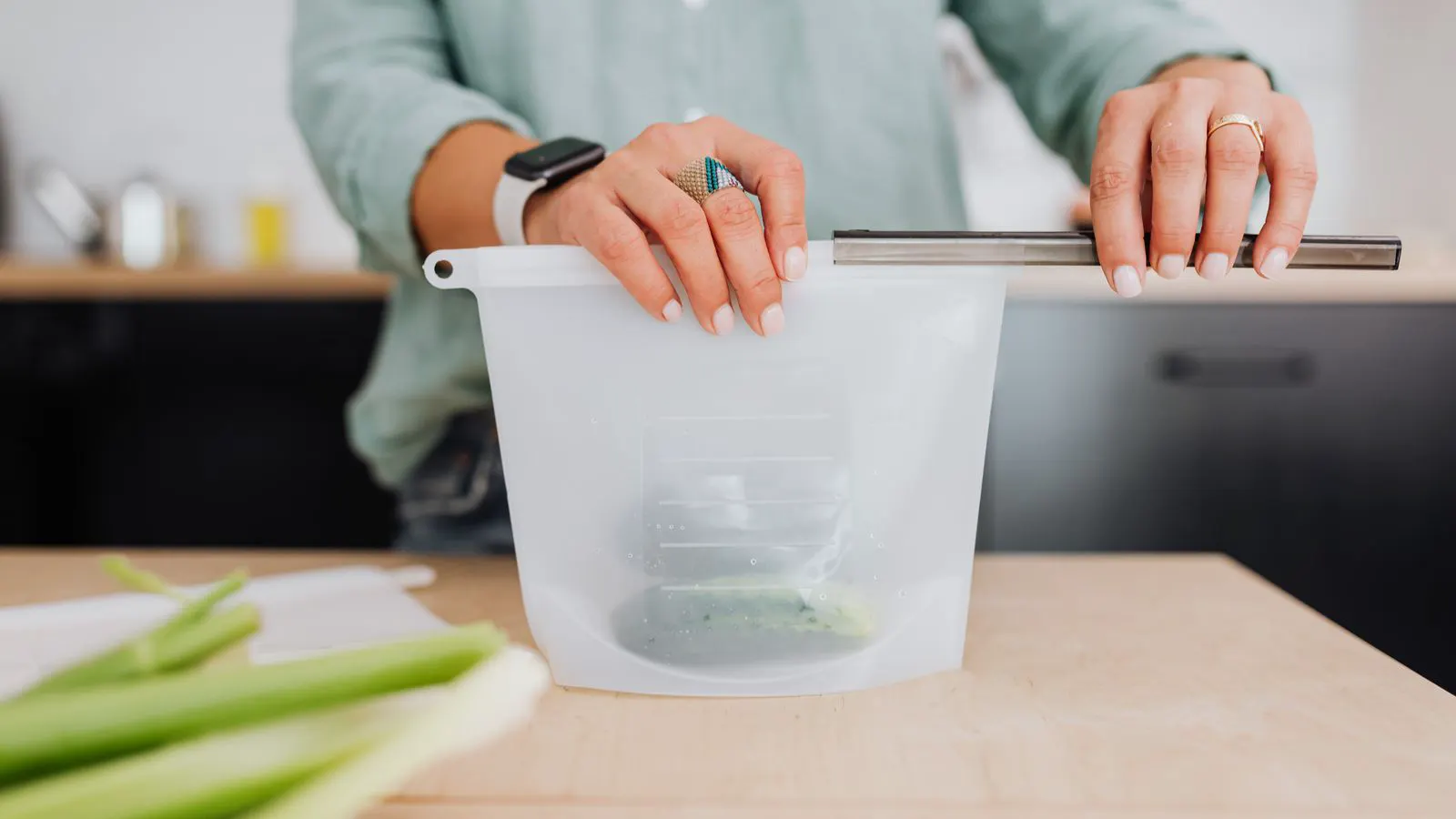
Reusable flexible pouches are moving from niche pilots to mainstream retail stock. Buyers should prepare for standardization, refill logistics, and durability checks. These shifts address packaging sustainability trends and changing consumer packaging behavior.
- Reusable flexible pouches require stricter material selection and seal integrity testing than single-use alternatives.
- Retail refill logistics are driving structural changes in pouch geometry and opening mechanisms.
- Consumers expect clear refill instructions and durable construction, not just eco-friendly messaging.
- Buyers should audit supplier capabilities for multi-use material performance and standardized dimensions.
- Standardization of pouch sizes and closures reduces waste and simplifies supply chain management.
Reusable flexible pouches are moving beyond early adopters into mainstream retail stock. Chains are testing refillable formats for dry goods, liquids, and personal care items to meet stricter waste reduction targets. The shift is not just about replacing single-use bags. It is about building a closed loop where the packaging itself becomes a durable asset.
What is changing in retail sustainability requirements
Retailers are tightening their rules for flexible packaging. Many now ask suppliers to document the number of intended uses and the material composition of every pouch. This creates pressure on buyers to select materials that hold up under repeated washing, filling, and handling.
The requirement is shifting from “biodegradable” or “compostable” claims to verifiable performance data. A pouch that degrades after five uses fails the sustainability test if the retail cycle expects twenty. Buyers need to request test reports on seal strength, film fatigue, and closure durability before committing to a volume order.
These documents have become standard procurement inputs. A typical request includes a material safety data sheet, a laminate structure diagram, and a third-party test report covering tensile strength and abrasion resistance. If the supplier cannot provide these, the project stalls. The buyer cannot verify the environmental claims without the underlying engineering data.
Retailers also want clarity on end-of-life pathways. Does the pouch go to a recycling stream, a composting facility, or a take-back program? The answer depends on the material structure. A simple polyethylene pouch is easier to recycle than a multi-layer laminate. The buyer must confirm that the retailer’s local waste infrastructure can handle the specific material being proposed. This step prevents a common mistake where a brand spends months developing a “sustainable” pouch that cannot be processed in the customer’s local municipality.
How refillable pouch systems are restructuring supply chains
Refillable pouch systems change the logistics model. Instead of shipping a finished product in a bag, companies ship empty reusable pouches to distribution centers, then send filled pouches back. This requires careful planning for reverse logistics and cleaning.
The table below summarizes the main structural changes in refillable systems.
| Component | Single Use Approach | Reusable Pouch Approach |
|---|---|---|
| Material Weight | Thin films, single layer | Thicker laminates, reinforced gussets |
| Seal Design | Heat seal only | Heat seal plus mechanical closure |
| Fill Point | Top seal, flat bottom | Top seal, reinforced opening zone |
| Logistics Flow | One way | Reverse flow for cleaning or exchange |
| Customer Role | Discard after use | Wash, refill, or return |
The refill point is the critical stress zone. In single-use pouches, the seal is only tested once. In reusable pouches, the seal must withstand repeated opening and closing. This often means adding a zipper, flip top, or magnetic closure to the heat-sealed edge. The structural integrity of this area determines the pouch life cycle.
Logistics teams must map this flow in detail. The return leg is the most complex part. Empty pouches may arrive at the facility with residue inside, especially if they held liquids or powders. A cleaning station is required before the pouch returns to the fill line. This adds a labor step that single-use packaging does not have.
Inventory management changes too. In a single-use model, the brand controls the quantity of packaging sold. In a refillable model, the number of pouches in circulation is fixed. If a customer loses a pouch, the brand loses that asset permanently. The system needs a mechanism to replace lost or damaged units. Some retailers use a deposit system. Others include a spare pouch with every refill order. The buyer must decide how to manage this asset depletion.
What consumer behavior tells buyers to expect
Consumer packaging behavior is shifting toward convenience. Shoppers will not wash a pouch if the instructions are unclear. If the refill process is difficult, the pouch is treated as single-use anyway.
Buyers should watch for two trends. First, consumers prefer pouches that fit existing home storage systems. A pouch that is too wide for a spice rack or too short for a pantry shelf will not be reused. Second, consumers want visible quality. A pouch with a scratch or a fuzzy seal edge signals poor construction. This drives demand for consistent manufacturing tolerances.
The messaging on the pouch matters too. Simple icons showing wash steps and refill instructions outperform long text blocks. Retailers are standardizing these symbols to reduce confusion. A pictogram of a water drop and a sponge is more effective than a paragraph explaining how to clean the interior.
Usability testing reveals the most common failure points. Users often struggle to get the last bit of product out of the pouch. The bottom corners tend to trap liquid. Designers need to consider the geometry of the pouch base. A gusseted bottom that allows the pouch to stand upright makes it easier to squeeze the contents out. If the pouch crumples and sticks to the counter, the user gives up and throws it away.
The weight of the empty pouch is another factor. A heavy pouch feels durable but adds cost and bulk to the shipping container. A light pouch is easier to store but may feel cheap. The buyer must balance these factors. The pouch needs to feel substantial enough to justify the effort of washing it.
Material selection for multi-use performance
Material selection is the first technical hurdle. Single-use pouches often use thin polyethylene or polyester films to reduce cost. Reusable pouches need thicker laminates. A three-layer structure with a barrier layer in the middle protects against moisture and odor migration.
The film must resist abrasion. Repeated contact with shelf edges, shopping cart handles, and hand washing wears down thin films. Buyers should ask suppliers about the denier rating of the outer layer. Higher denier means more resistance to wear.
The inner layer affects cleaning. Some coatings resist detergent, which leads to residue buildup. Others are more porous and absorb odors. For food pouches, a non-porous liner is necessary. For cleaning products, the liner must resist chemical degradation.
The table below lists common material trade-offs.
| Material Type | Durability | Cleanability | Cost Impact | Typical Use |
|---|---|---|---|---|
| PE/PE Laminate | Moderate | High | Low | Dry goods, liquids |
| PET/PE Laminate | High | High | Moderate | Premium dry goods |
| PP/PE Laminate | High | High | Moderate | Hot fill, chemicals |
| Alu Laminate | Very High | Low | High | Specialty, barrier |
Aluminum laminates offer the best barrier but are difficult to clean and recycle. Polypropylene laminates are a balance of durability and cleanability. Buyers should match the material to the specific product and the cleaning method required by the retailer.
Surface texture is a subtle but important detail. A smooth inner surface sheds liquid easily. A textured inner surface can trap powder or soap residue. For dry goods like coffee or tea, a slightly textured surface might help with flow, but it must be easy to wipe clean. For liquids, smoothness is non-negotiable.
The adhesive between the layers matters as well. If the adhesive fails, the laminate delaminates. This creates a weak point where moisture can enter. Buyers should ask for peel strength data. A laminate that holds together in the lab but fails after ten washes is a bad choice. The adhesive must be compatible with the cleaning agents specified by the retailer.
Seal integrity and closure mechanisms
The seal is the failure point. In reusable pouches, the heat seal must remain flexible after repeated stress. If the seal crumbles, the pouch leaks. If the seal stiffens, it does not reseal properly.
Closures add another layer of complexity. Zipper closures require precise alignment. If the two teeth do not match, the seal breaks. Flip top closures require a sturdy plastic piece that can snap open and closed hundreds of times. Magnetic closures need strong magnets and a non-magnetic pouch body.
Buyers should require test protocols for closures. A standard test involves opening and closing the pouch five hundred times, then checking for seal integrity. The pouch should not develop gaps, tears, or loose teeth.
The seal width also matters. A wider seal provides more surface area for the adhesive to grip the substrate. This improves durability but adds material cost. For high-value products, a wider seal is justified. For low-value items, a narrower seal may suffice if the material is thick enough.
The geometry of the closure edge is critical. A sharp angle at the top of the pouch concentrates stress. A rounded edge distributes the load. If the user yanks the pouch open, the force is applied to the seal. A reinforced zone, often made of a slightly thicker film, absorbs this shock. Without this reinforcement, the seal tears at the first hard pull.
Zipper closures are the most common choice for refillable pouches. They offer a clear indication of whether the pouch is closed. A flip top is faster to operate but harder to secure. A magnetic closure is sleek but less reliable. The buyer must choose based on the product type. For powders, a tight seal is required to prevent dust. For liquids, a leak-proof closure is mandatory.
How to prepare your sourcing strategy
Buyers should update their supplier scorecards. Add questions about multi-use performance. Ask for data on seal life, closure durability, and material fatigue. If a supplier only provides data for single-use applications, they may not be ready for reusable formats.
Standardize your pouch dimensions. When you use the same pouch size for multiple products, you reduce waste and simplify inventory. It also makes it easier for retailers to manage stock. If every product has a different pouch size, the refill system becomes complicated.
Work with your fill line. Reusable pouches may have different fill points than single-use pouches. The opening zone might be reinforced, changing the flow of the product. Test the fill speed and check for product buildup around the closure.
Prepare for longer lead times. Reusable pouches often use custom laminates and closures. These are not off-the-shelf items. Suppliers may need to order materials and tooling. Build this into your production planning.
The qualification process is longer. A single-use pouch might be approved in a month. A reusable pouch needs a durability trial. The supplier must produce a sample batch, send it to the retailer for testing, and then make adjustments based on the results. This cycle can take several months. The buyer must have the patience for this process.
Cost modeling must include the full lifecycle. The initial cost of a reusable pouch is higher. But the price per refill over a year may be lower. The retailer saves on waste disposal. The brand saves on packaging volume. The consumer saves money on refills. The buyer must present this value proposition clearly to justify the higher upfront cost.
What to watch in the next twelve months
The next phase will focus on standardization. Retailers are moving away from proprietary pouch sizes toward common dimensions. This makes it easier for multiple brands to share refill stations.
You will also see more integrated services. Suppliers are offering the full system: the pouch, the closure, the cleaning instructions, and the logistics support. This reduces the burden on the brand owner.
The barrier to entry is rising. It is no longer enough to have a “green” pouch. The pouch must perform like a single-use pouch but last longer. Buyers who plan for this shift now will avoid the costly redesigns that happen when a product fails in the field.
The market is moving toward a practical model. Reusable flexible pouches are not a trend. They are a new baseline for retail flexible packaging. The winners will be those who treat the pouch as a component of the product, not just a wrapper.
Frequently asked questions
What is the main difference between a reusable and a single-use flexible pouch?
A reusable pouch is designed for multiple fill cycles and must withstand repeated washing and handling. A single-use pouch is designed for one fill and one disposal.
How do I verify that a pouch is truly reusable?
Request test reports on seal strength, closure durability, and material fatigue. Ask the supplier to demonstrate the pouch after a defined number of open and close cycles.
What materials are best for reusable pouches?
Thicker laminates, such as PET/PE or PP/PE, offer better durability and cleanability than thin single-use films. Choose the material based on the product type and cleaning requirements.
Why are standard dimensions important for refill systems?
Standard dimensions simplify inventory management and reduce waste. They allow multiple brands to share refill stations and make logistics more efficient.
What is the biggest risk in sourcing reusable pouches?
The biggest risk is selecting a pouch that fails in real-world use. If the seal breaks or the closure jams, the pouch is treated as single-use anyway. Test rigorously before committing to volume.