Flexible Packaging Outlook: Materials and Sustainability Trends
Buyers should anticipate shifts toward recyclable films, mono-material structures, and digital inks. Plan for structural simplification, supply chain diversification, and compliance updates to secure resilient sourcing.
- Simplify structures to improve recyclability and reduce material complexity.
- Shift sourcing toward mono-material pouches to meet emerging regulatory requirements.
- Plan for digital printing to support lower minimums and reduced waste.
- Diversify suppliers to manage raw material volatility and regional compliance changes.
What materials are driving the next cycle of pouch sourcing?
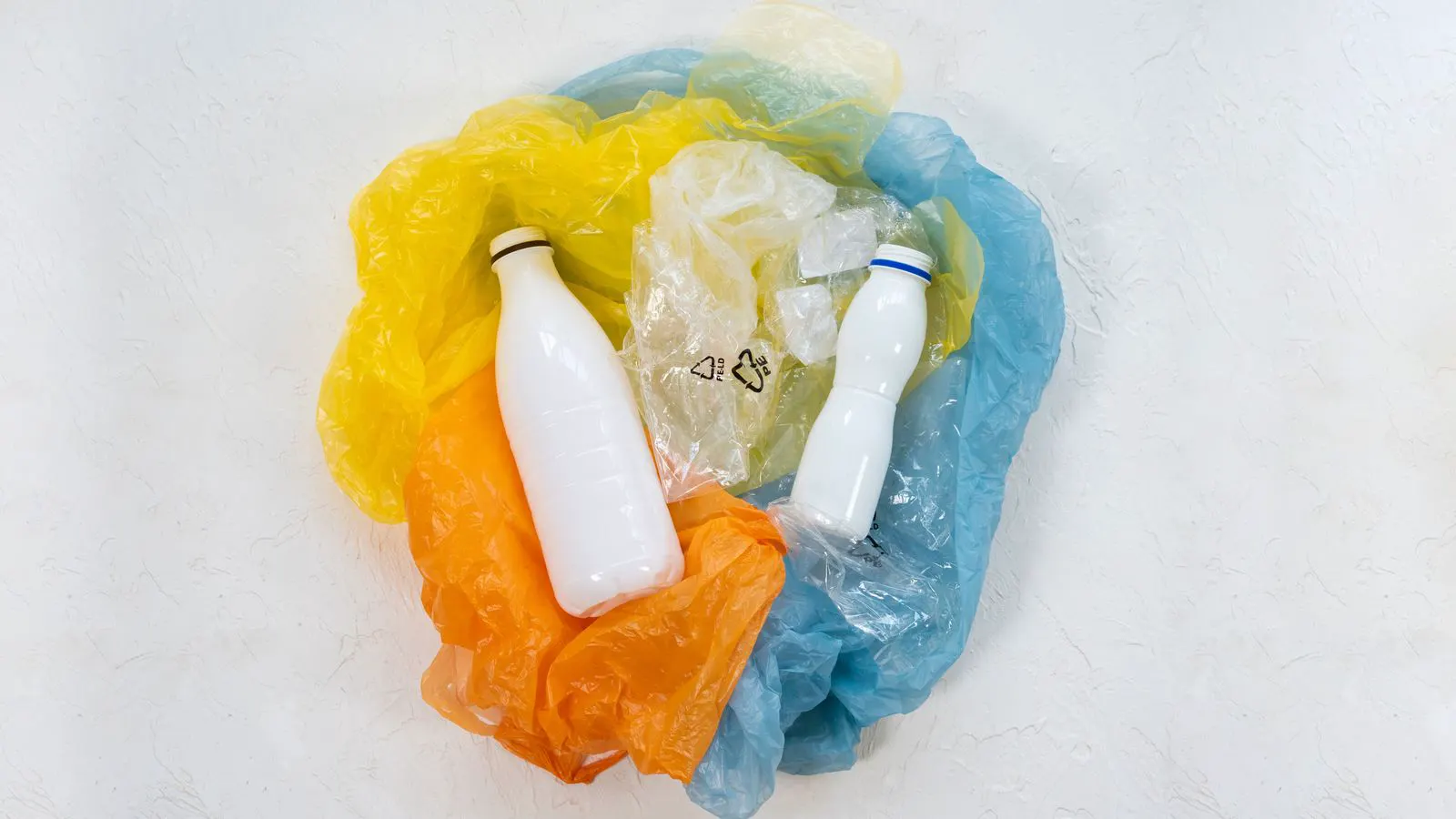
The material mix for flexible packaging is moving in a clear direction. Recyclable and mono-material structures are gaining ground as buyers face pressure to simplify end-of-life streams. For many food and consumer goods categories, this means replacing multi-layer laminates with single-polymer films or easily separable structures. The shift is driven by the need to keep packaging in recycling loops without contamination.
Polypropylene and polyethylene continue to form the base of many pouch structures because of their strength, barrier properties, and broad recyclability. However, the challenge is no longer just barrier performance. It is about how the barrier layer integrates with the structural layers without creating a complex laminate that is difficult to separate. Traditional structures often used a thin polyethylene terephthalate or nylon layer between the outer polypropylene and the inner lining. That combination offered excellent oxygen and moisture barrier performance. It also created a technical barrier for recycling.
Buyers should watch how suppliers are managing barrier performance in simplified structures. In many applications, a thin barrier layer or an external coating is being used to maintain protection while keeping the structure compatible with existing recycling streams. This is a material shift that requires specification changes at the design stage. For example, a pouch intended for a dry snack might use a polypropylene outer layer with a thin polyethylene barrier layer. If the barrier layer is too thick, it becomes difficult to separate during recycling. If it is too thin, it may not block moisture effectively. Suppliers are developing thinner barrier films that offer a balance between performance and recyclability.
Another material trend is the use of active barrier technologies. Some suppliers are using metalized layers or high-performance coatings to reduce the thickness of the barrier layer. This allows for a structure that is thinner in total and easier to process. However, these technologies can add complexity to the manufacturing process. Buyers need to understand the trade-offs between barrier performance, recyclability, and production cost.
How is sustainability changing pouch design and specifications?
Sustainability is no longer a separate initiative. It is becoming part of the core technical specification. When a buyer asks for a sustainable pouch, the question is rarely about a single material. It is about the entire structure, from the film to the closure, the adhesive, and the print.
Simplifying the structure is the most effective way to improve sustainability. A pouch with fewer materials and fewer adhesives is easier to recycle. It is also often easier to manufacture, which can reduce waste and improve yield. For buyers, this means reviewing existing pouch designs and asking whether every layer and adhesive is necessary.
The closure system is another area where sustainability is changing design. Flip top closures and zipper systems require multiple material components. If a buyer needs a simple, single-material closure, the options may be limited. If a complex closure is required, the pouch structure may need to accommodate it without creating a non-recyclable laminate. For instance, a standard zipper closure often uses a polyester tape and a polypropylene pouch body. This creates a multi-material structure that is difficult to separate. Buyers are looking for closure systems that use the same polymer as the pouch body. This simplifies the recycling process and reduces the number of materials in the structure.
Print inks are also under scrutiny. Traditional inks often contain additives that can contaminate the recycling stream. Water-based inks are becoming more common because they are easier to remove during the recycling process. However, water-based inks may not offer the same durability as solvent-based inks. Buyers need to test the print performance in their specific application.
Adhesives are another critical component. Many pouches use hot-melt adhesives to bond the layers. These adhesives can be difficult to separate during recycling. Buyers are asking suppliers about the type of adhesive used and whether it is compatible with the recycling process. Some suppliers are developing water-soluble adhesives that can be removed during the recycling stream. This is a significant improvement in the sustainability profile of the pouch.
Which regulatory shifts should buyers plan for now?
Regulatory pressure on flexible packaging is increasing, and it varies by region. Buyers operating in multiple markets need to understand how packaging rules differ from one region to another. A pouch that meets requirements in one market may not be acceptable in another due to differences in material restrictions, labeling rules, or end-of-life reporting requirements.
The most common regulatory driver is the push toward recyclability. Many regions are moving toward rules that require flexible packaging to be recyclable or to meet specific material composition standards. This is a long-term shift. It is not a one-time change. It is a gradual tightening of rules that will affect sourcing over the next several years.
Buyers should map their current pouch structures against the rules in their target markets. If a pouch uses a multi-material laminate that is not recyclable in a key market, the risk is not just a compliance failure. It is a potential loss of shelf access. Planning for structural changes now is more cost-effective than redesigning after a rule change forces a product recall or a market withdrawal.
Regulatory shifts also affect labeling requirements. Many regions require specific information on the packaging, such as the material composition, recycling instructions, and the presence of certain additives. Buyers need to ensure that their pouch designs meet these labeling requirements. This may require changes to the print layout or the material selection. For example, a region may require that the pouch be made from at least a certain percentage of recycled content. This can affect the material sourcing and the cost of the pouch.
Another regulatory shift is the use of single-use plastics. Some regions are moving toward bans or restrictions on single-use plastic packaging. This may affect pouches used for food service or retail. Buyers need to stay informed about these regulations and plan for potential changes in the material mix.
How are digital printing and low minimums changing the sourcing model?
Digital printing is changing the economics of flexible packaging. For many buyers, the barrier to entry for short-run pouches is falling. Digital printing allows for shorter minimum order quantities, faster changeovers, and more frequent design updates. This is especially useful for limited editions, regional variations, and promotional products.
The shift toward digital printing also affects sustainability. Less overproduction means less waste. Shorter runs reduce the risk of having excess packaging that does not sell. For buyers who have relied on long production runs to reduce unit costs, this is a material change in the sourcing model.
However, digital printing is not a universal solution. It is not always more cost-effective for very large volumes. The decision depends on the volume, the design complexity, and the material. Buyers should compare the total cost of ownership, not just the per-unit cost. A digital print run may have a higher unit cost, but if it reduces waste and allows for faster time-to-market, the total cost may be lower.
Digital printing also affects the design process. Buyers can test different designs and colors without committing to a large production run. This allows for more iterative design and faster feedback loops. It also reduces the risk of design errors. If a design is not approved, the cost of the mistake is lower than in a traditional offset print run.
However, digital printing has its limitations. The color gamut and print resolution may not match those of offset printing. This can be a concern for high-end brand packaging. Buyers need to evaluate the quality of the digital print in their specific application. They should also consider the durability of the digital ink. It may not offer the same scratch resistance or UV resistance as offset inks.
What does a resilient supply chain look like for flexible packaging?
Resilience in flexible packaging sourcing means reducing dependency on a single supplier, a single material source, or a single manufacturing region. Raw material prices can shift based on commodity markets, energy costs, and geopolitical events. A pouch that relies on a single type of barrier film or a single adhesive supplier is more exposed to disruption than a pouch with multiple material options.
Buyers should ask their suppliers about material sourcing and backup options. If a supplier uses a specific type of polyester film, do they have a second source? If a supplier uses a specific adhesive, is there a compatible alternative? These are not hypothetical questions. They are practical checks that help identify single points of failure.
Regional manufacturing is also a factor. If a pouch is manufactured in one region but sold in another, there are risks related to shipping, compliance, and lead time. For some buyers, a closer manufacturing base is worth a higher unit cost. For others, the cost advantage of distant manufacturing outweighs the risk. The decision depends on the product, the market, and the supply chain risk tolerance.
A resilient supply chain also includes the ability to switch between different manufacturing processes. For example, if a supplier uses a rotary press for pouch production, they may also be able to switch to a flatbed press if the rotary press is down. This flexibility reduces the risk of production downtime.
Buyers should also consider the environmental and social impact of their supply chain. Suppliers should be able to provide information on their carbon footprint, water usage, and waste management practices. This information can help buyers make more informed sourcing decisions.
How should buyers prepare for the next cycle of pouch specifications?
The most practical step is to review existing pouch designs with a future-proofing lens. For each pouch, ask whether the structure can be simplified without losing performance. Ask whether the materials are compatible with the recyclability rules in your target markets. Ask whether the closure can be made simpler or more sustainable.
A useful exercise is to create a material map for each pouch. List every layer, every adhesive, and every closure component. Identify which materials are single-source and which are multi-source. Identify which materials are subject to regional regulatory restrictions. This map becomes a planning document. It shows where the risk is and where the opportunity for simplification exists.
Buyers should also engage suppliers early in the design process. Suppliers have visibility into material availability and manufacturing constraints that buyers may not see. A supplier can often suggest a material substitution that maintains performance while improving recyclability or reducing cost. The key is to make the sustainability and resilience goals part of the specification from the start, not an afterthought.
Buyers should also consider the lifecycle of the pouch. What happens to the pouch after it is used? Can it be recycled? Can it be composted? Can it be incinerated with energy recovery? Understanding the end-of-life options can help buyers make better design decisions.
What does the future of flexible packaging look like for buyers?
The future of flexible packaging is not about a single breakthrough. It is about a series of incremental shifts that compound over time. Materials are simplifying. Structures are becoming more recyclable. Printing is moving toward shorter runs. Sourcing is becoming more diversified. These shifts are not happening all at once. They are happening in parallel, and they are affecting different parts of the supply chain in different ways.
For buyers, the opportunity is to plan for these shifts before they become mandatory. The cost of adaptation is lower when it is done as part of a normal design cycle than when it is forced by a regulatory deadline or a supplier change. The pouch that is designed with recyclability, simplicity, and supply chain resilience in mind is the pouch that will perform best in the next cycle of market conditions.
Frequently asked questions
What is the biggest material shift in flexible packaging?
The biggest shift is moving from multi-layer laminates to mono-material structures. This simplifies the pouch and makes it easier to recycle.
How does digital printing affect pouch sourcing?
Digital printing lowers the minimum order quantity and reduces waste. It is especially useful for short runs and frequent design changes.
What is the most common regulatory driver for flexible packaging?
The most common driver is the push toward recyclability. Many regions are moving toward rules that require flexible packaging to be recyclable or to meet specific material standards.
How can buyers reduce supply chain risk for pouches?
Buyers can reduce risk by diversifying suppliers, identifying backup material sources, and considering regional manufacturing options.
What is the first step to future-proofing a pouch design?
The first step is to create a material map for each pouch. List every layer, adhesive, and closure component to identify single points of failure and opportunities for simplification.